

How Berlin Became Europe’s “Test City” for the Future of Housing
Berlin is quietly becoming Europe’s urban laboratory. Here’s how the city is testing the future of housing, neighbourhoods, and living in 2026.
Guides focused on Berlin districts, buyer strategy, and practical steps for selecting neighborhoods with long-term potential.
Berlin is quietly becoming Europe’s urban laboratory. Here’s how the city is testing the future of housing, neighbourhoods, and living in 2026.

Berlin enters 2026 with surprising price stability while rents rise. Here’s what’s really happening and what it means for buyers and investors.
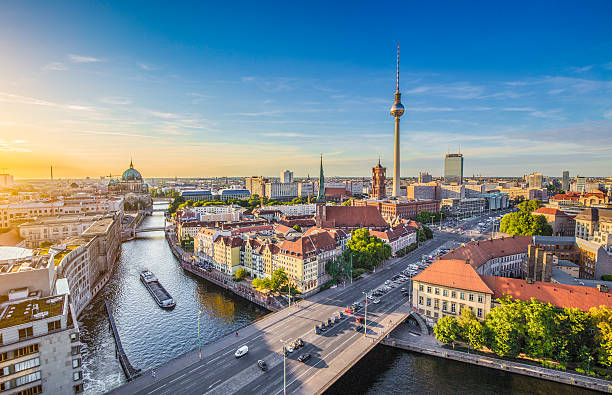
Berlin 2025: rising rents, recovering prices and tight supply. Should you keep renting or buy an apartment? Here’s a clear, data-driven guide for buyers.

Discover how Berlin compares with major global capitals like Paris, London, Zurich, and Tokyo — and why its affordability, mobility potential, and growth trajectory make it a top real estate investment city in 2025.
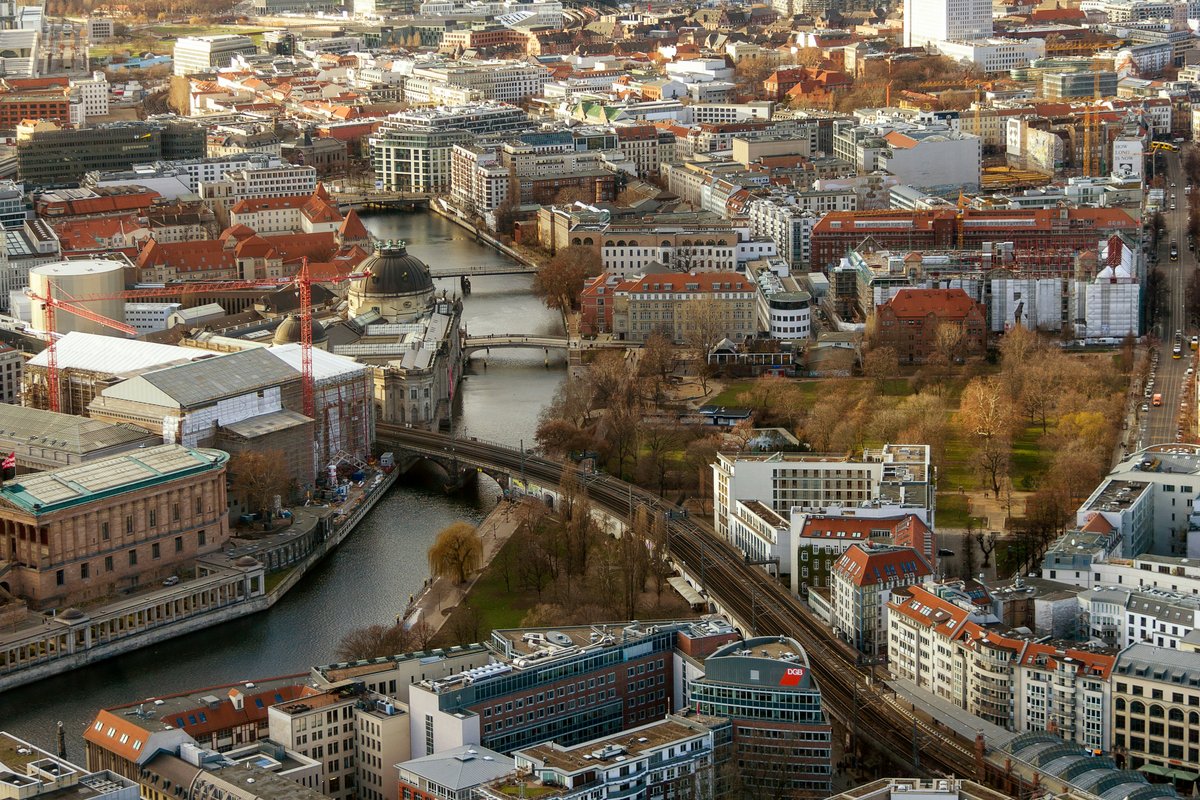
Berlin’s vacancy rate stands at just 0.3%, one of the lowest in Europe. With demand far outpacing supply, rental properties rarely stay empty — ensuring stable, predictable returns for investors.
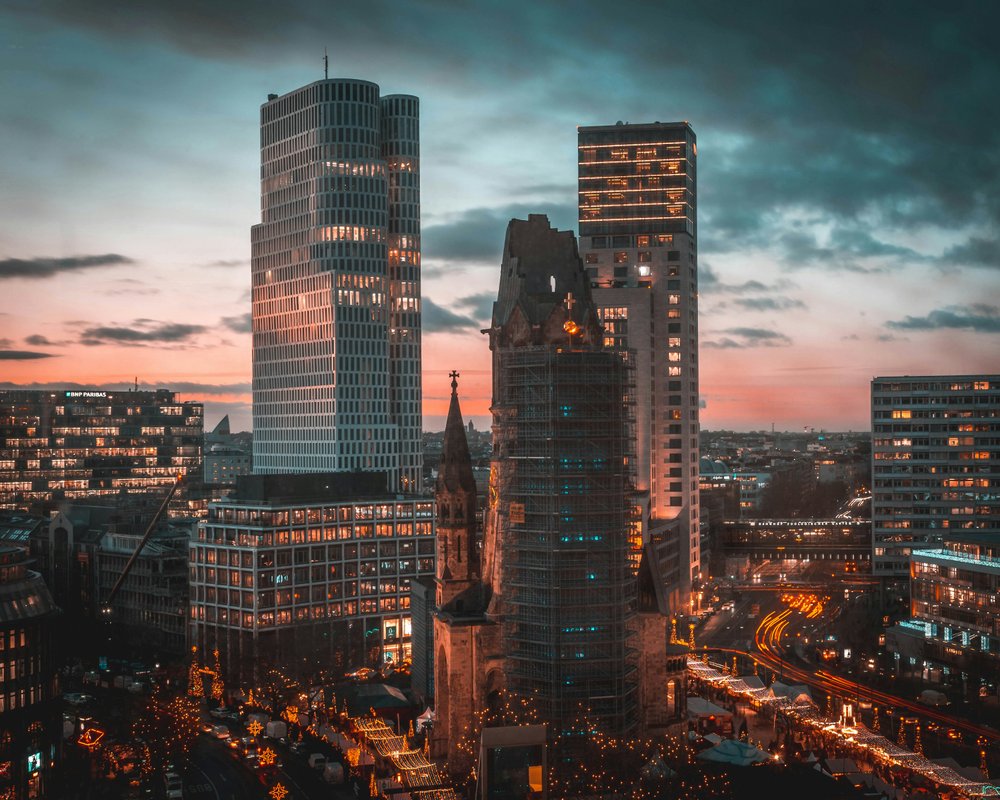
Berlin’s rental market is booming. Rents are up 51% in five years, driven by strong demand, low supply, and high investor opportunity.

Berlin needs 222,000 new homes by 2040, yet supply lags far behind. With near-zero vacancy, the city offers investors unmatched rental demand and long-term growth potential.