Berlin: The “Relocation Buyer” Opportunity
Berlin’s international workforce keeps demand resilient, but expat renters and buyers choose differently than locals. If you understand what they value, you understand which properties stay liquid.
Guides focused on Berlin districts, buyer strategy, and practical steps for selecting neighborhoods with long-term potential.
Berlin’s international workforce keeps demand resilient, but expat renters and buyers choose differently than locals. If you understand what they value, you understand which properties stay liquid.
In Berlin, value is shifting toward comfort and predictability: buildings that are efficient, well maintained, and less likely to surprise owners. This is becoming a silent premium in 2026.
Berlin’s housing tension is less about total stock and more about movement: people don’t give up old contracts, so available supply stays tight. Understanding this dynamic helps buyers, investors, and relocators act smarter.
Renovation in Berlin can be smart, but only when the risk is cosmetic, not structural. This post shows how to renovate strategically without losing time and money.
In Berlin, demand doesn’t only follow trendy districts. It follows quiet, walkable streets with strong transport access. This post shows why “street quality” has become one of the biggest price drivers.
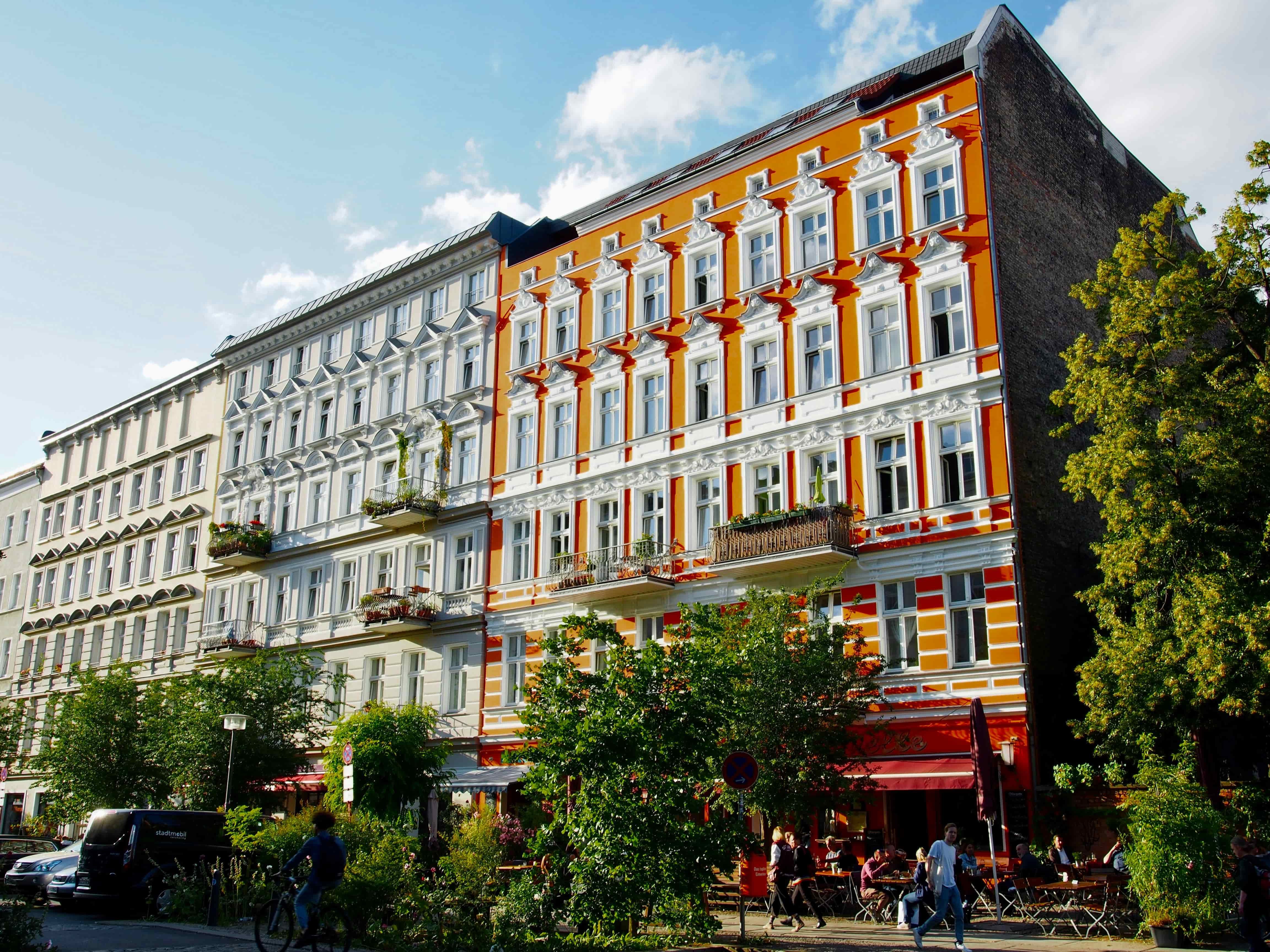
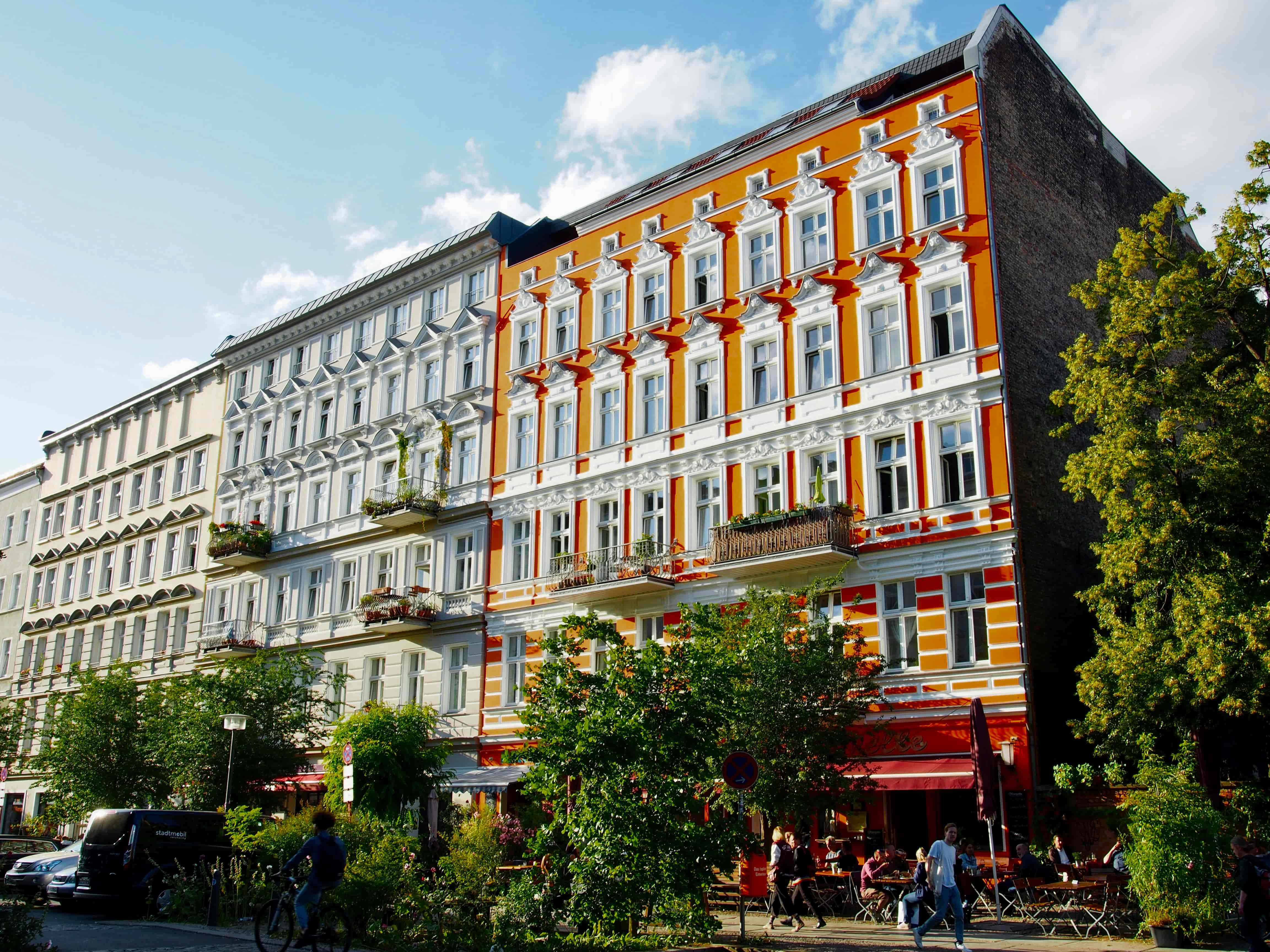
In Berlin, you’re not buying a district, you’re buying a street. The right micro-location can protect your property’s demand even when the market slows down.
In Berlin, the apartment can be perfect and still be a bad buy if the building is financially or structurally unhealthy. This post explains the building health test that protects buyers from expensive surprises.
In Berlin, the neighborhood vibe is not marketing, it’s economics. Two identical apartments can perform completely differently just because of what’s outside the front door.
Berlin is one of the few capitals where the street can matter more than the district. It’s a city built on neighborhood life, and that structure creates durable demand for housing.