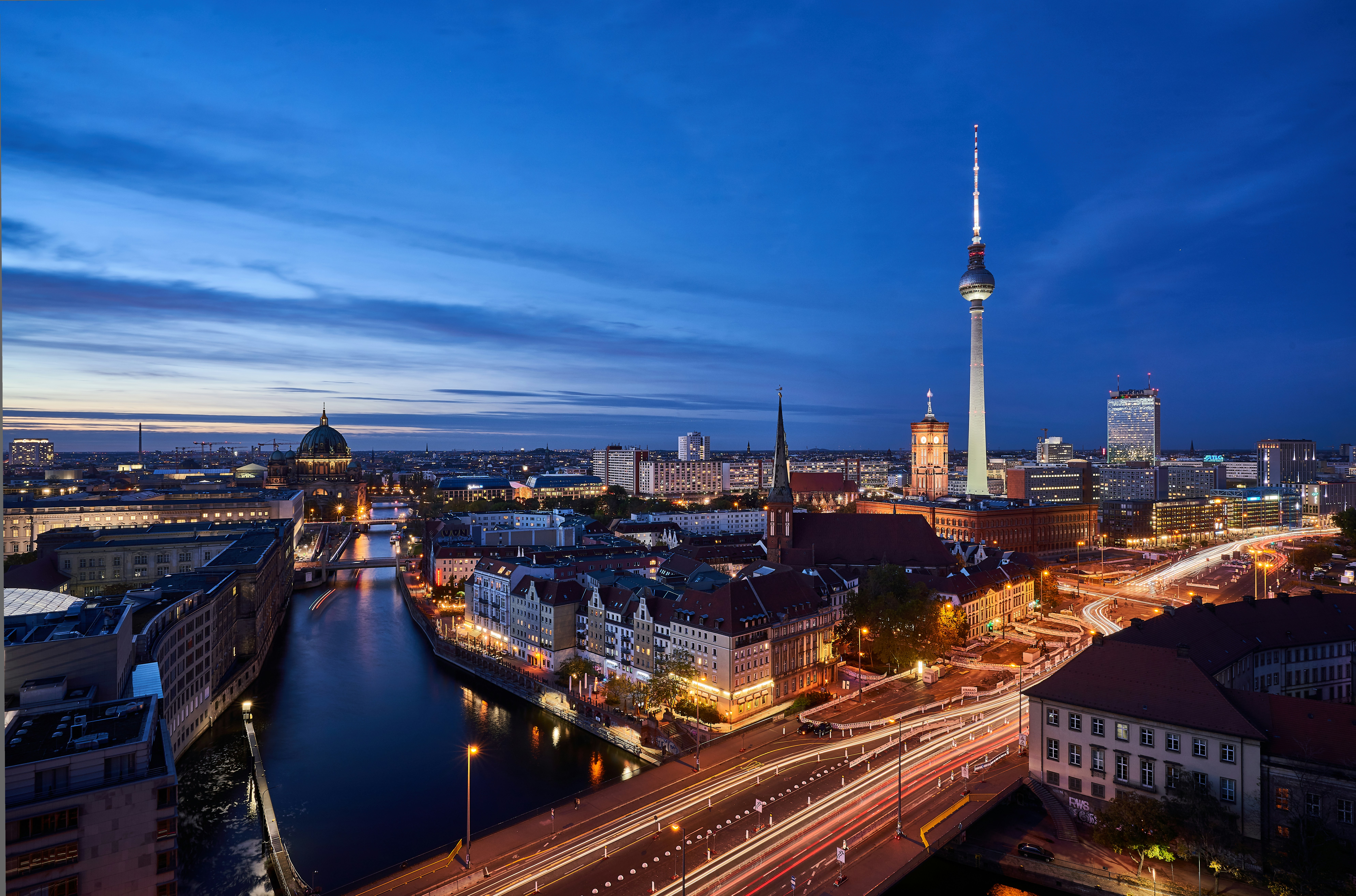
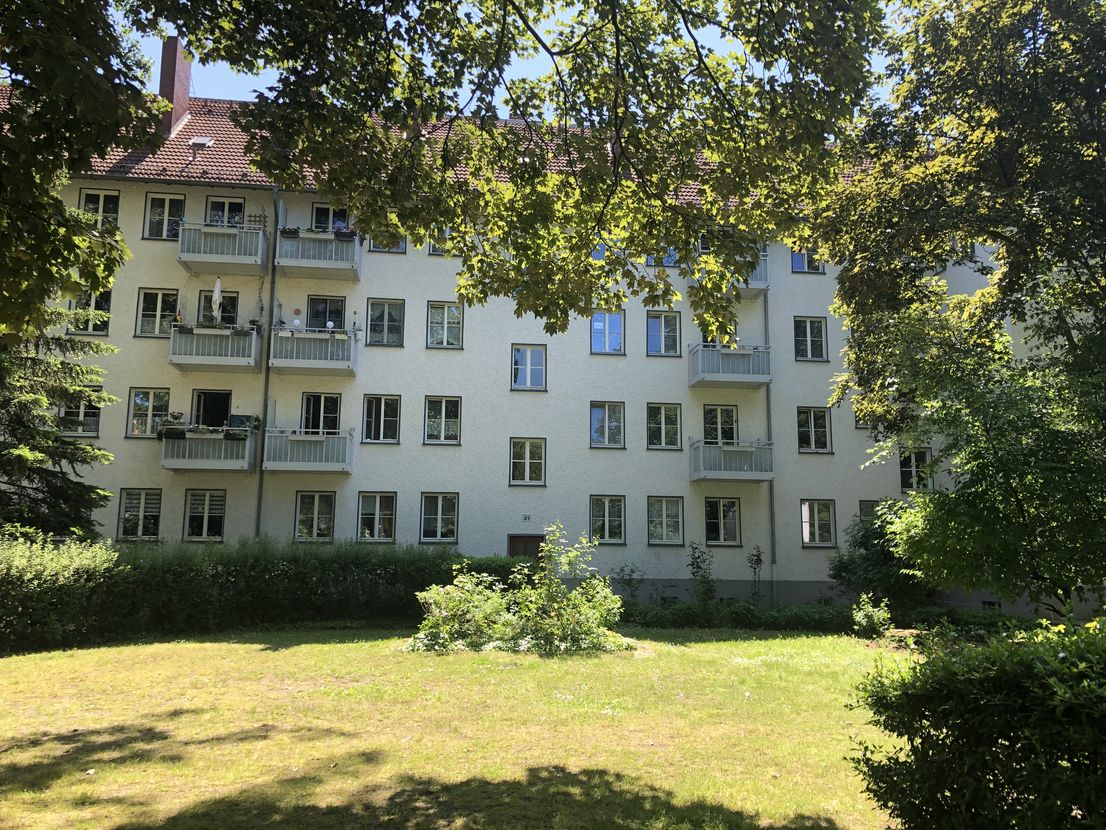
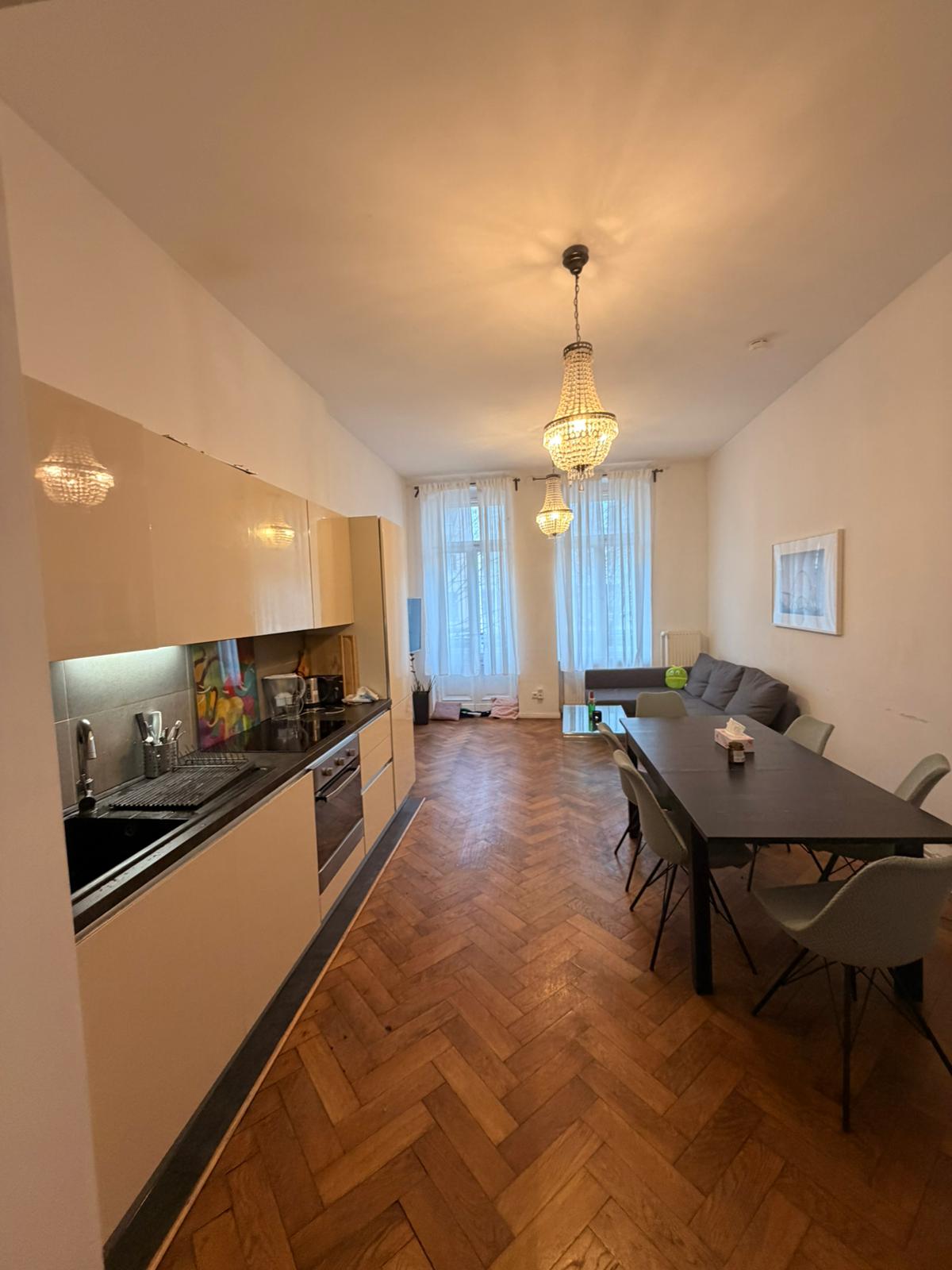
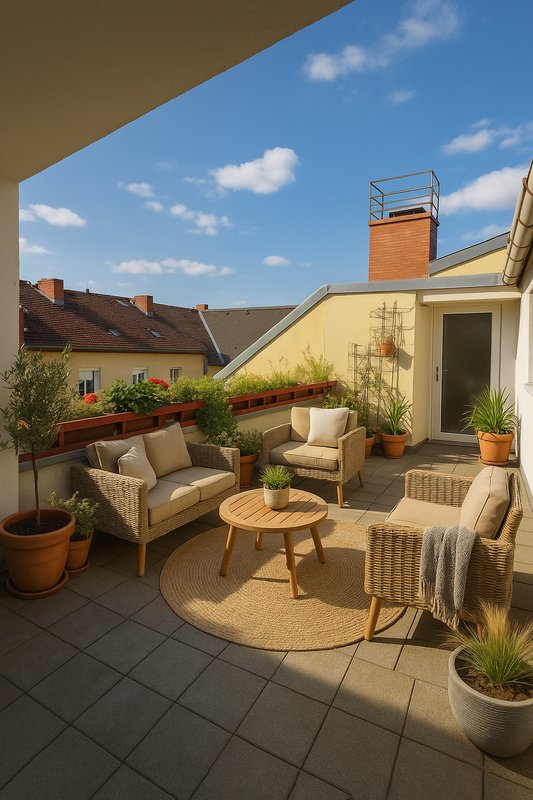
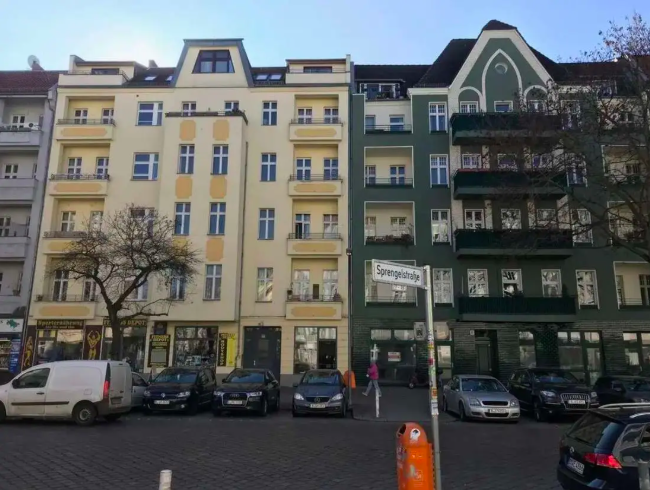
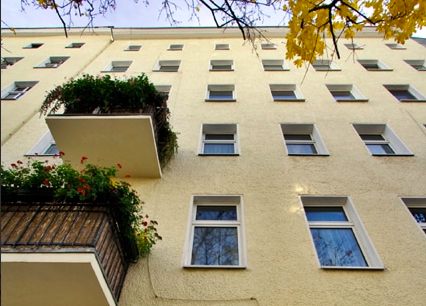
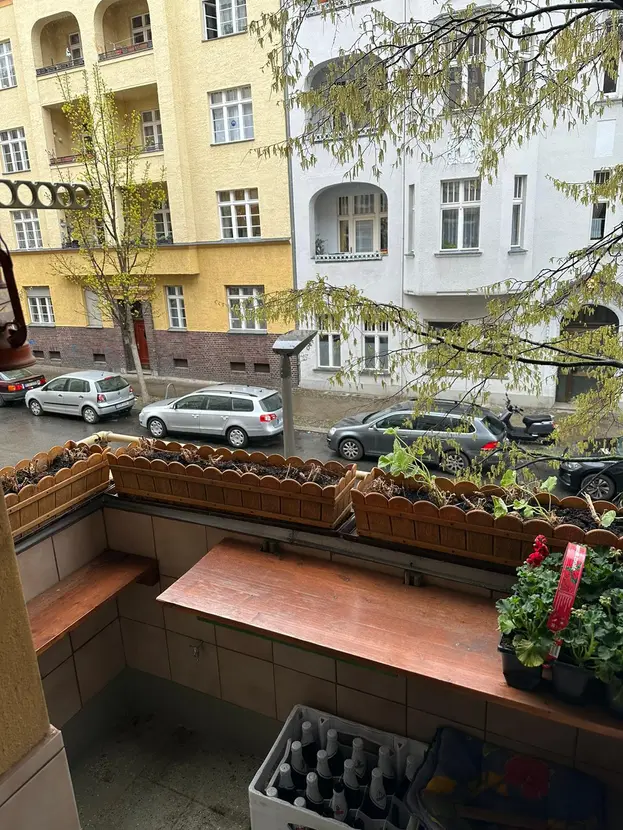
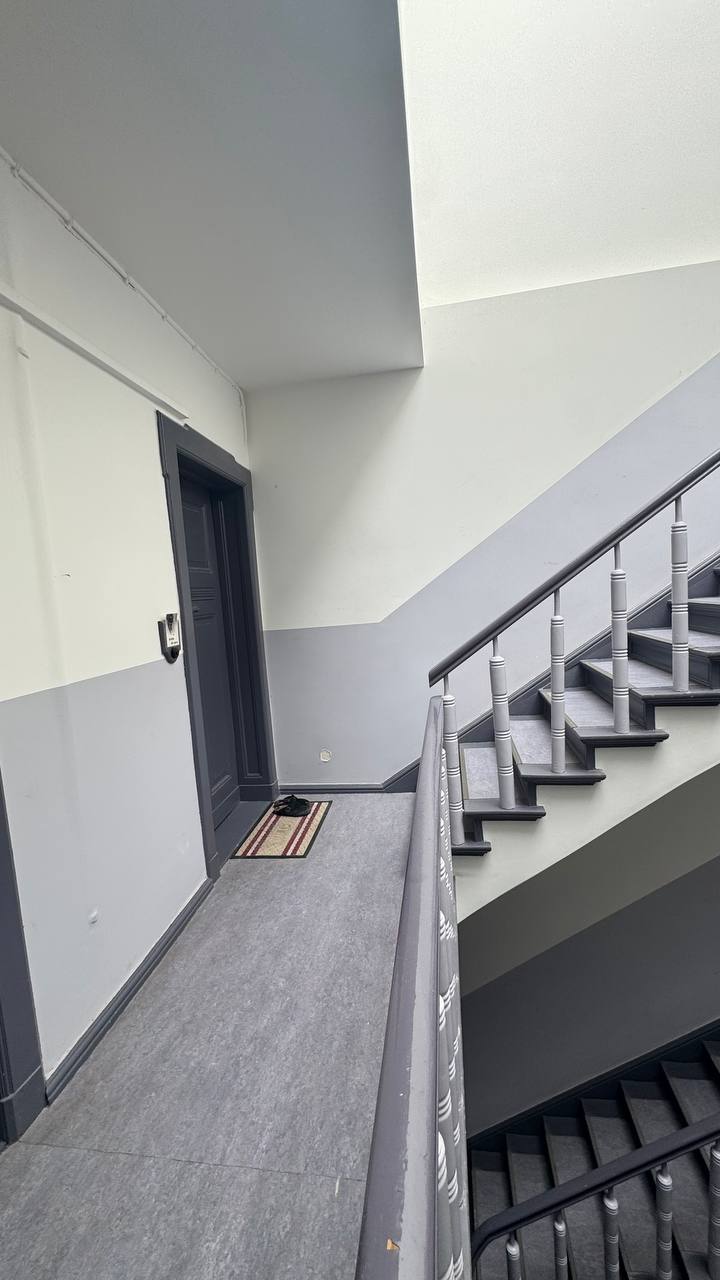
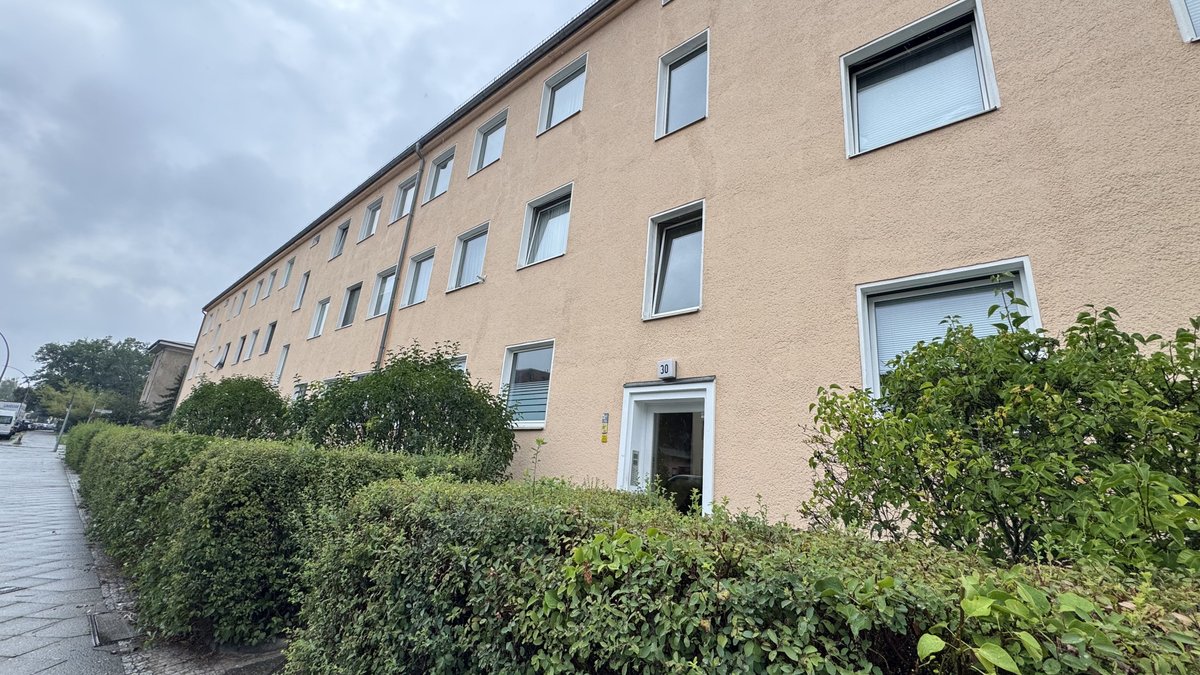
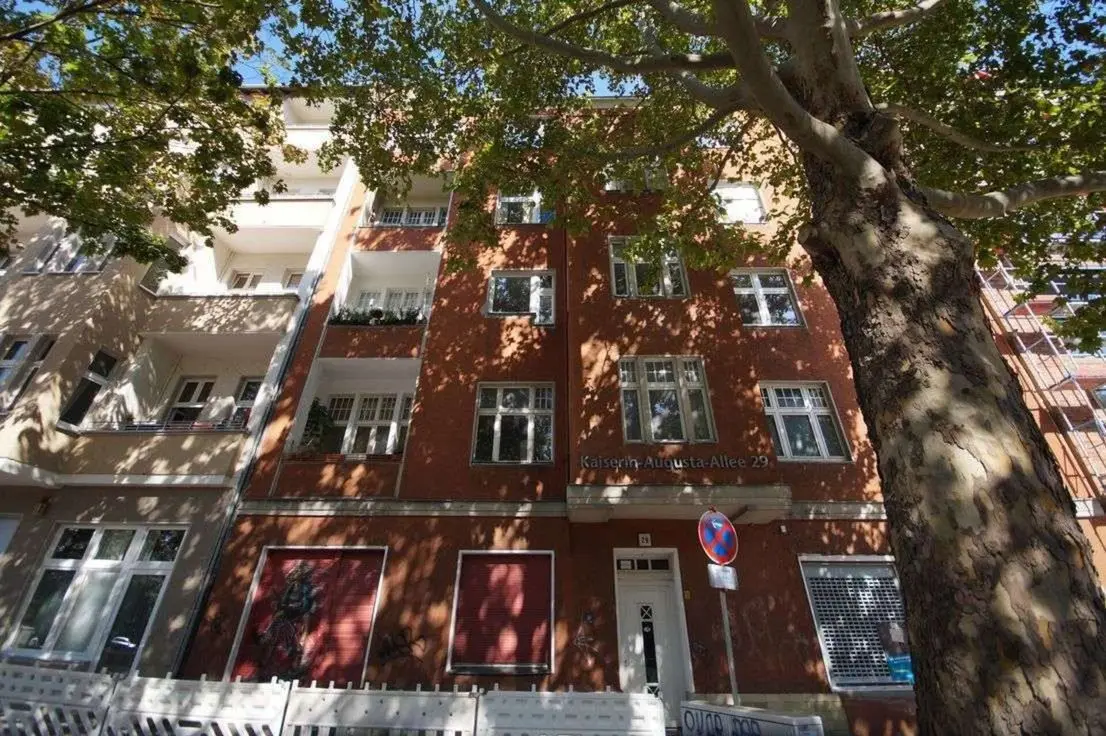
Discover apartments in Berlin for sale, from central Altbau homes to modern investment-ready units. Sweet Home helps international buyers compare Berlin apartments for sale with local guidance, pricing context, and district-by-district insights.
This internal linking setup keeps the Berlin hub connected to district-level search paths without creating thin duplicate landing pages.
Why Invest in Berlin Real Estate?
Berlin remains one of Europe's most resilient residential markets, supported by steady population growth and sustained international migration. With nearly 3.9 million residents and a structural housing shortage requiring over 220,000 new apartments by 2040, demand continues to outpace supply. Vacancy rates remain critically low at around 0.3%, reinforcing rental market pressure.
While purchase prices have slightly corrected in the past year, asking rents have continued to rise strongly, increasing by approximately 12% in 2024 and more than 50% since 2019. This combination of rental growth and limited new construction creates attractive long-term fundamentals for investors focused on stable income and capital preservation within Germany's capital city.
Best Areas to Buy Property in Berlin
Berlin offers distinct submarkets suited to different investment strategies:
Mitte – Prime central district with average prices around €6,600–8,300/m² and strong rental demand driven by professionals and international residents.
Charlottenburg-Wilmersdorf – Established West Berlin location combining prestige and stability, with solid long-term value retention.
Pankow – Popular with families and young professionals, showing rental growth momentum and ongoing development.
Neukölln – Dynamic district with strong rent increases and continued urban transformation.
Lichtenberg & Marzahn-Hellersdorf – More affordable entry points with emerging growth potential as rental spreads narrow across the city.
These districts reflect Berlin's diverse residential landscape, from prime core locations to growth-oriented submarkets benefiting from citywide supply constraints.
Buying an Apartment in Berlin: Costs, Timeline, and Next Steps
If you are evaluating Berlin apartments for sale, this section gives you a practical buyer framework: expected cost components, a realistic purchase timeline, and official legal/tax references to avoid unrealistic assumptions.
Define budget, district priorities, and occupancy goals. Review building condition, maintenance history, and expected rental profile before legal drafting starts.
The notary prepares and explains the purchase contract, then records signatures. This is a mandatory legal step in Germany.
After notary milestones are met, purchase funds are transferred. Tax clearance and registry processing are then coordinated with the relevant authorities.
Final registration timing depends on authority workload and transaction specifics. Plan with a time buffer rather than a fixed promise date.
Indicative guidance only, not legal or tax advice. Always validate your case with your notary, tax advisor, and financing partner.
Frequently asked questions about buying an apartment in Berlin
Berlin is one of Europe's most attractive real estate markets. The city has strong demographic growth, a robust economy, and ongoing demand for housing. According to the Berlin Housing Market Report 2025 (Berlin Hyp & CBRE), the capital needs around 222,000 new apartments by 2040, plus land provision for a further 50,000 units. Asking rents rose again in 2024 (by 12% to €15.79 per m² on average), making Berlin one of the top cities in Germany for rental dynamics. For investors, this combination of demand, limited supply, and rental growth supports long-term value and income potential.
In 2024, asking prices for condominiums in Berlin decreased slightly by 0.9% to an average of €5,696 per m², while asking prices for apartment buildings fell by 4.4% to €3,041 per m². This reflects higher interest rates and economic uncertainty. At the same time, asking rents increased by 12% to €15.79 per m², with Berlin showing the highest rent dynamics among Germany's seven largest cities. So while purchase prices have corrected, rental income potential has strengthened, which can make Berlin attractive for buy-to-let and long-term investment.
Population forecasts assume growth of around 5% from 2021 to 2040, and the Urban Development Plan Housing 2040 targets 222,000 new apartments plus land for 50,000 more. The housing shortage remains a key challenge, which supports sustained demand. The institutional transaction market also recovered in 2024 (volume increased to €2.9 billion from €1.8 billion the previous year). Industry experts such as Berlin Hyp and CBRE indicate that if interest rates remain stable, a further slight increase in the transaction market can be expected in 2025, underlining continued investor interest in Berlin residential real estate.
In 2024, around 215 construction projects with roughly 43,530 new apartments were in planning or construction—a significant increase compared to the previous year (34,940). Most large rental housing projects are concentrated outside the S-Bahn ring and in the Berlin metropolitan area; only about 14.6% of projects were within the ring, reflecting limited free land in the inner city. Districts such as Marzahn-Hellersdorf, Spandau, Pankow, and the metropolitan area (e.g. Potsdam, Barnim) are seeing substantial new development. Both state-owned housing companies and private developers are active, offering a mix of subsidised and market-rate housing and investment opportunities.
Current conditions can be favourable for certain investors: purchase prices for condominiums and apartment buildings have adjusted from previous highs, while demand for housing and rental growth remain strong. The recalibration of the market to a new price level is seen as largely complete, and institutional interest in residential assets has increased again due to housing shortage and the resilience of the sector. Whether it's the right time for you depends on your goals, financing, and target area. Sweet Home can help you explore carefully selected properties and provide expert guidance for buying or investing in Berlin.
Buying apartment Berlin usually starts with district selection, financing pre-check, and legal due diligence. International buyers should verify ownership structure, ancillary purchase costs, and occupancy status before signing. Working with a local advisor helps you compare listings faster and avoid overpriced micro-locations.
Berlin flats for sale with stable rental demand are commonly found in well-connected neighborhoods such as Moabit, Neukölln, Friedrichshain-Kreuzberg, and parts of Wedding. Focus on transport links, building condition, and realistic rent benchmarks rather than headline asking prices alone.
Both can work. For investment, prioritize yield resilience, tenant demand, and building quality. For owner-occupancy, prioritize neighborhood fit, layout, and long-term livability. The best choice depends on your timeline, financing profile, and risk tolerance.