
Berlin: Die Hauptstadt der Mikroquartiere und der langfristigen Nachfrage
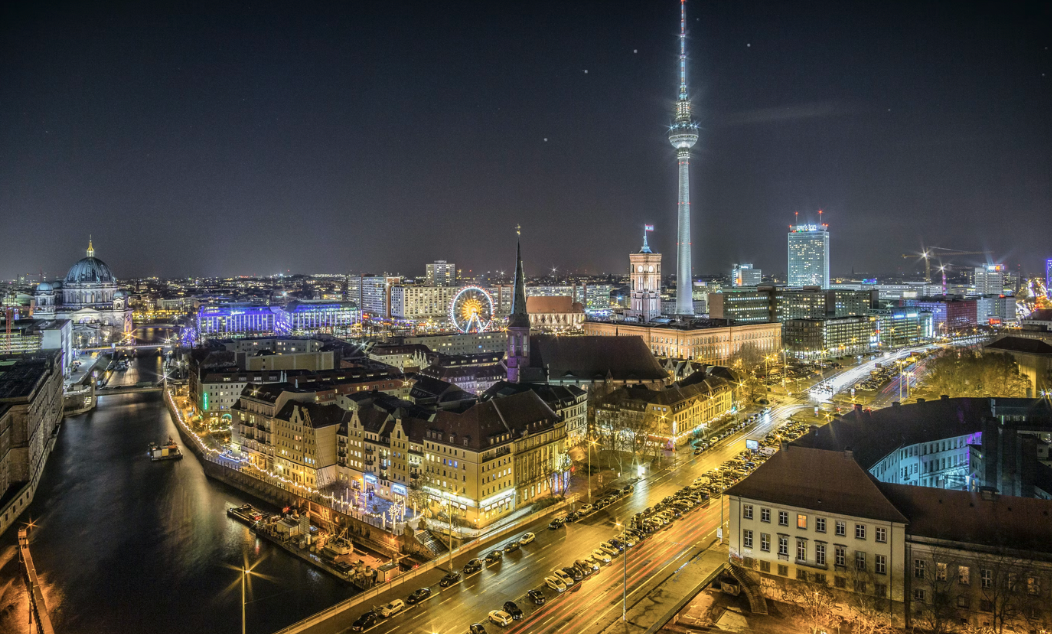
Berlin: Die Hauptstadt der Mikroquartiere und der langfristigen Nachfrage
Berlin ist die Hauptstadt Deutschlands und eine Stadt mit einer starken kulturellen Identität. Doch was Berlin für Immobilien besonders macht, sind nicht nur die Museen und das Nachtleben. Es ist das "Kiez"-System. Berlin wird vor Ort gelebt. Die Menschen sagen nicht einfach: "Ich wohne in Berlin." Sie sagen, welcher Kiez, welche Straße, welches Eckcafé, welcher Park, welche U-Bahn-Haltestelle.
Fakten, die Berlin anders machen
Berlin ist eine der einflussreichsten Kultur- und Kreativstädte in Europa. Sie verfügt über bedeutende Institutionen, ikonische Architektur und einen konstanten Strom von Studenten, Gründern und internationalen Fachkräften. Diese Mischung sorgt für eine stabile Wohnungsnachfrage, die nicht von einer bestimmten Branche abhängig ist. Berlins Wirtschaft ist breit gefächert, und seine Attraktivität ist strukturell bedingt: Arbeitsplätze, Bildung und Lebensstil.
Berlin ist auch erstaunlich grün. Die Stadt verfügt über große Parks und Seen, und viele Einwohner richten ihr Leben nach dem Zugang zur Natur am Wochenende aus. Diese "grüne Hauptstadt" wirkt sich auf die Wahl des Wohnortes aus, denn die Nähe zu Parks und ruhigen Straßen ist oft wichtiger als die Nähe zu touristischen Sehenswürdigkeiten.
Die Berliner Immobilienwahrheit lernen Käufer erst spät
Berlin ist kein Markt, der Ungeduld belohnt. Es ist ein Markt, der korrekte Fundamentaldaten belohnt. Zwei Wohnungen können einen ähnlichen Preis haben, aber eine lässt sich mühelos vermieten und weiterverkaufen, während die andere Schwierigkeiten hat. Der Grund dafür ist oft die Mikrolage: Lärm, Verkehrsanbindung, tägliche Dienstleistungen und Gebäudemanagement.
Berlin hat auch eine ausgeprägte Eigentumskultur. Für Gebäude gibt es Regeln, Wartungspläne und langfristige Entscheidungen. Deshalb ist das "Gebäude" genauso wichtig wie die Wohnung selbst. Eine schöne Wohnung in einem schlecht gepflegten Gebäude kann emotional und finanziell teuer werden.
Was das für Immobilienkäufer bedeutet
Berlin funktioniert am besten, wenn man etwas kauft, das in jeder Marktstimmung attraktiv bleibt: einfache Grundrisse, gutes Licht, gute Verkehrsanbindung und ein Gebäude mit planbaren Kosten. Berlin ist das Gegenteil von Hype. Es ist langsam, es ist strukturiert, und genau deshalb kann es sich sicher anfühlen, wenn man es richtig wählt.