
Dubai: Die Stadt, die Infrastruktur in Lifestyle verwandelt
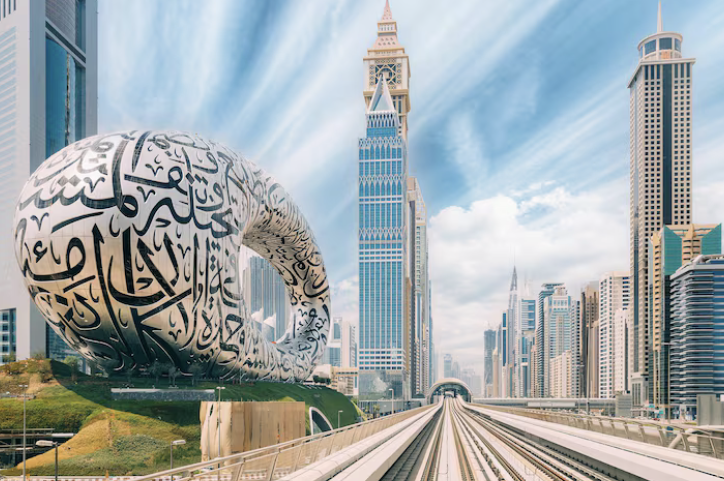
Dubai: Die Stadt, die Infrastruktur in Lifestyle verwandelt
Dubai besteht nicht nur aus "Luxustürmen" Es ist eine Stadt, die auf Geschwindigkeit, Sicherheit und Bequemlichkeit ausgelegt ist und deshalb jedes Jahr neue Einwohner, Unternehmen und Immobilienkäufer anzieht.
Dubai liegt am Arabischen Golf und gehört zu den Vereinigten Arabischen Emiraten, aber es funktioniert wie ein globaler Stadtstaat. Die Menschen ziehen von überall her hierher, denn das tägliche Leben ist auf Reibungslosigkeit ausgelegt. Die Straßen sind breit, die Stadtteile sind geplant, die Dienstleistungen sind effizient, und neue Gebiete können in überraschend kurzer Zeit entstehen.
Fakten, die Dubais Persönlichkeit erklären
Dubai beherbergt den Burj Khalifa, das höchste Gebäude der Welt, aber die größere Geschichte ist das, was es umgibt: eine Stadt, die ständig neue Aktivitätsknotenpunkte errichtet. Dubais Wachstum ist kein Zufall, sondern das Ergebnis einer umfassenden Planung. Deshalb sind die Gemeinden oft wie komplette Ökosysteme angelegt, mit Einzelhandel, Cafés, Fitnessstudios, Parks, Stränden, Schulen, Kliniken und Unterhaltungsangeboten, die in das Viertel selbst integriert sind.
Dubai wird auch durch seine Rolle als globaler Verkehrsknotenpunkt geprägt. Die Stadt wurde zu einem der am stärksten vernetzten Orte der Welt, und diese Konnektivität wirkt sich auf alles aus, vom Geschäftswachstum bis zur Mietnachfrage. Praktisch gesehen ist es eine Stadt, in der internationale Einwohner schnell umziehen, schnell anfangen zu arbeiten und komfortabel leben können, ohne Jahre zu brauchen, um sich zurechtzufinden
Interessante Details, die die meisten Menschen nicht kennen
Der urbane Rhythmus Dubais ist um Bezirke herum aufgebaut, die verschiedenen Lebensstilen dienen. Einige sind für das Leben am Wasser konzipiert, andere für das intensive Leben im Stadtzentrum und wieder andere für ruhige Familiengemeinschaften. Deshalb können zwei Menschen "Dubai" sehr unterschiedlich beschreiben, je nachdem, wo sie leben.
Eine weitere unterschätzte Tatsache ist, wie stark Dubai von der Psychologie der Bequemlichkeit geprägt ist. Die besten Standorte sind nicht nur die berühmtesten, sondern auch die, die die täglichen Zeitkosten reduzieren. Wenn Gebiete schnell an Beliebtheit gewinnen, hat das oft mit einer Sache zu tun: dem Zugang. Eine neue Straße, eine neue Verbindung, die Fertigstellung einer Gemeinde, die Eröffnung einer Reihe von Cafés und Dienstleistungen. In Dubai kann sich die Zentralität schnell ändern.
Was dies für Immobilienkäufer bedeutet
Dubai belohnt Käufer, die wie Einwohner denken. Die "liquidesten" Immobilien sind in der Regel diejenigen, die das tägliche Leben erleichtern: sauberer Grundriss, Licht, Parkplätze, Qualität des Managements und leichter Zugang. Das glamouröse Marketing ist weniger wichtig als die praktische Erfahrung, wenn jemand tatsächlich dort wohnt.
Dubai ist eine Stadt, in der Träume verkauft werden, aber sie funktioniert am besten, wenn man die Realität kauft.