
Hidden Costs of Buying Property in Berlin
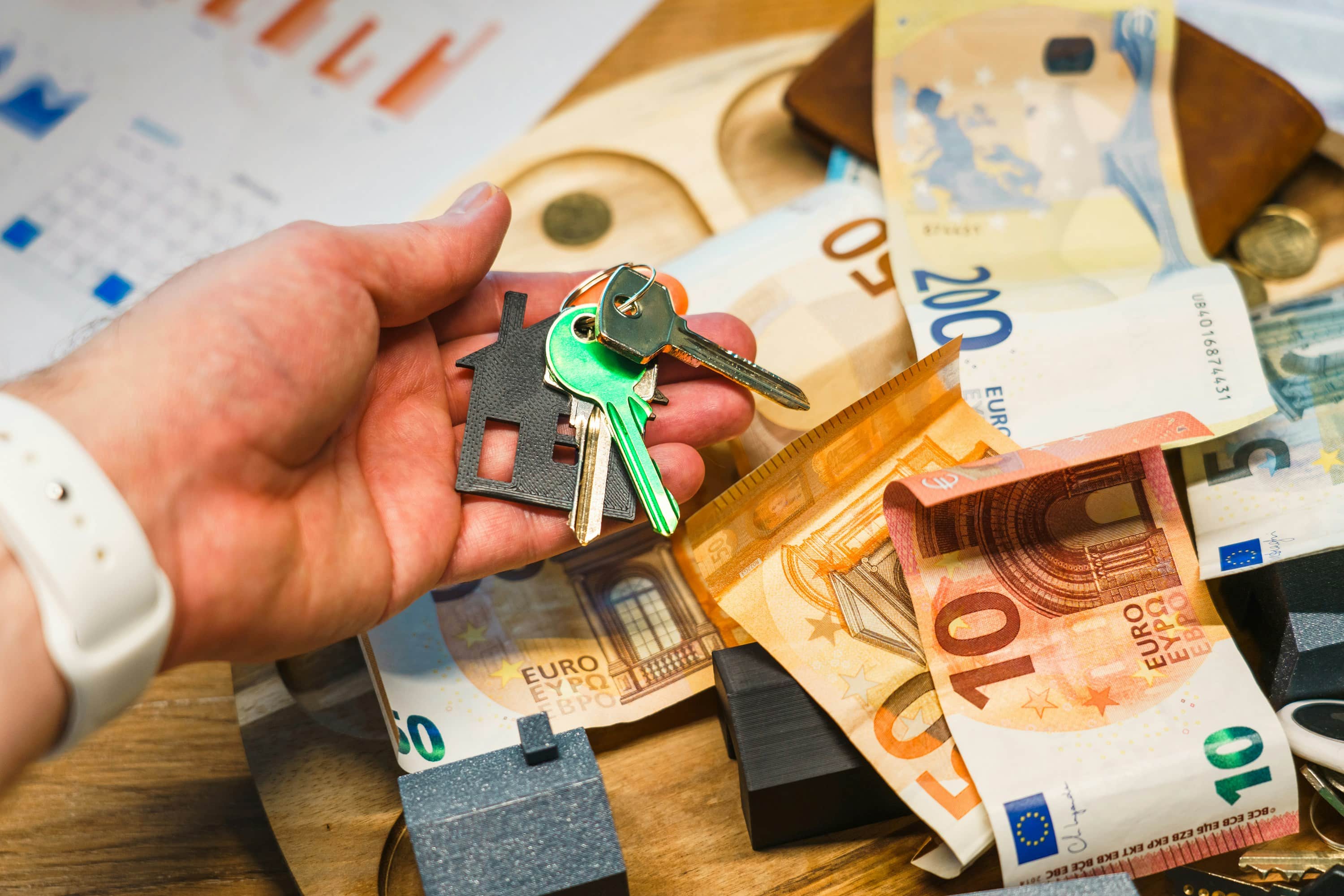
When evaluating a property in Berlin, most buyers focus on the asking price.
However, the actual cost of purchasing and owning a property can be significantly higher once taxes, legal fees, financing costs, and ongoing ownership expenses are taken into account.
For international buyers in particular, understanding these additional costs is essential for building a realistic budget and making informed investment decisions.
Here’s what every buyer should know before purchasing property in Berlin.
The Purchase Price Is Only the Starting Point
Many first-time buyers underestimate how much additional capital is required to complete a property transaction in Germany.
Beyond the purchase price, buyers may face:
- property transfer tax
- notary fees
- land registry fees
- mortgage-related expenses
- legal advisory costs
- maintenance obligations
- renovation expenses
The exact amount varies depending on the property and financing structure, but these costs should always be included in your acquisition budget.
If you’re still comparing locations, explore Berlin real estate opportunities before narrowing your search.
Property Transfer Tax (Grunderwerbsteuer)
One of the largest acquisition costs in Berlin is the property transfer tax.
As of today, the property transfer tax rate in Berlin is 6% of the purchase price.
This tax is typically paid by the buyer and becomes due after the purchase agreement has been notarized.
For example:
- Property price: €500,000
- Transfer tax (6%): €30,000
This expense alone can materially affect the amount of capital required to complete a purchase.
Notary and Land Registry Fees
German property transactions must be notarized.
The notary is responsible for:
- preparing the purchase contract,
- supervising the transaction,
- and coordinating ownership registration.
Buyers should also budget for:
- land registry (Grundbuch) registration fees,
- document processing costs,
- and related administrative charges.
These costs are generally calculated as a percentage of the transaction value.
Unlike some international markets, notarization is a mandatory part of the German property purchase process.
Financing Costs
If you are using a mortgage, financing expenses can add another layer of costs.
Potential expenses may include:
- mortgage arrangement fees,
- property valuation fees,
- bank administration costs,
- and interest expenses.
For non-resident buyers, financing conditions may differ from those available to German residents.
This is why many international buyers explore financing options before beginning their property search.
Homeowners’ Association Contributions
When purchasing an apartment, you are buying into a building—not just an individual unit.
Most apartment owners contribute monthly fees that support:
- building maintenance,
- cleaning services,
- reserve funds,
- insurance,
- and common-area management.
Before purchasing, review the building’s financial documents carefully.
A low monthly fee is not always a positive sign if the building lacks sufficient reserves for future repairs.
Special Assessments and Major Renovations
One of the most overlooked ownership costs involves future building repairs.
Apartment owners may be required to contribute toward major projects such as:
- roof replacement,
- façade renovation,
- elevator modernization,
- heating system upgrades,
- or energy-efficiency improvements.
These costs can sometimes amount to thousands of euros per owner.
Reviewing homeowners’ association meeting minutes can help identify planned projects before purchasing.
Energy Efficiency Upgrades
Germany continues to pursue ambitious energy-efficiency goals for buildings.
Older properties may require future investment related to:
- insulation,
- heating systems,
- windows,
- or broader modernization projects.
Before purchasing, review the property’s Energy Performance Certificate (Energieausweis) and understand the condition of the building’s infrastructure.
This can help buyers estimate potential future capital expenditures.
Renovation and Furnishing Costs
Even move-in-ready apartments often require additional spending.
Common expenses include:
- painting,
- flooring updates,
- kitchen upgrades,
- lighting,
- furniture,
- and appliance replacement.
Investors purchasing older apartments should build a realistic renovation budget before making an offer.
Property Insurance and Ongoing Ownership Costs
Property ownership involves ongoing operating expenses.
Depending on the property type, these may include:
- building insurance,
- utility costs,
- maintenance contributions,
- management fees,
- and local service charges.
These recurring costs should be included in long-term ownership calculations.
Why Location Can Affect Ownership Costs
Not all Berlin districts carry the same ownership profile.
For example:
- Charlottenburg properties often feature prestigious historic buildings that may require higher maintenance budgets.
- Prenzlauer Berg apartments frequently include renovated Altbau properties with unique ownership considerations.
- Friedrichshain-Kreuzberg opportunities can vary significantly depending on building age and condition.
- Neukölln investment properties may offer lower entry prices but require careful due diligence on building quality.
Understanding the property’s condition is often just as important as evaluating the neighborhood itself.
Quick Cost Planning Checklist
Before purchasing property in Berlin, make sure you account for:
✓ Purchase price
✓ Property transfer tax
✓ Notary fees
✓ Land registry fees
✓ Mortgage-related costs
✓ Homeowners’ association contributions
✓ Maintenance reserves
✓ Potential renovation expenses
✓ Energy-efficiency upgrades
✓ Ongoing ownership costs
A complete financial picture helps prevent surprises after closing.
Final Thoughts
Successful property investing is not just about finding the right apartment—it is about understanding the full cost of ownership.
Buyers who carefully evaluate acquisition costs, building condition, and future maintenance obligations are often better positioned to make informed long-term decisions.
Whether you are purchasing a home, a relocation property, or an investment asset, planning for hidden costs can help protect your budget and improve decision-making.