
What to Check Before Buying an Apartment in Berlin
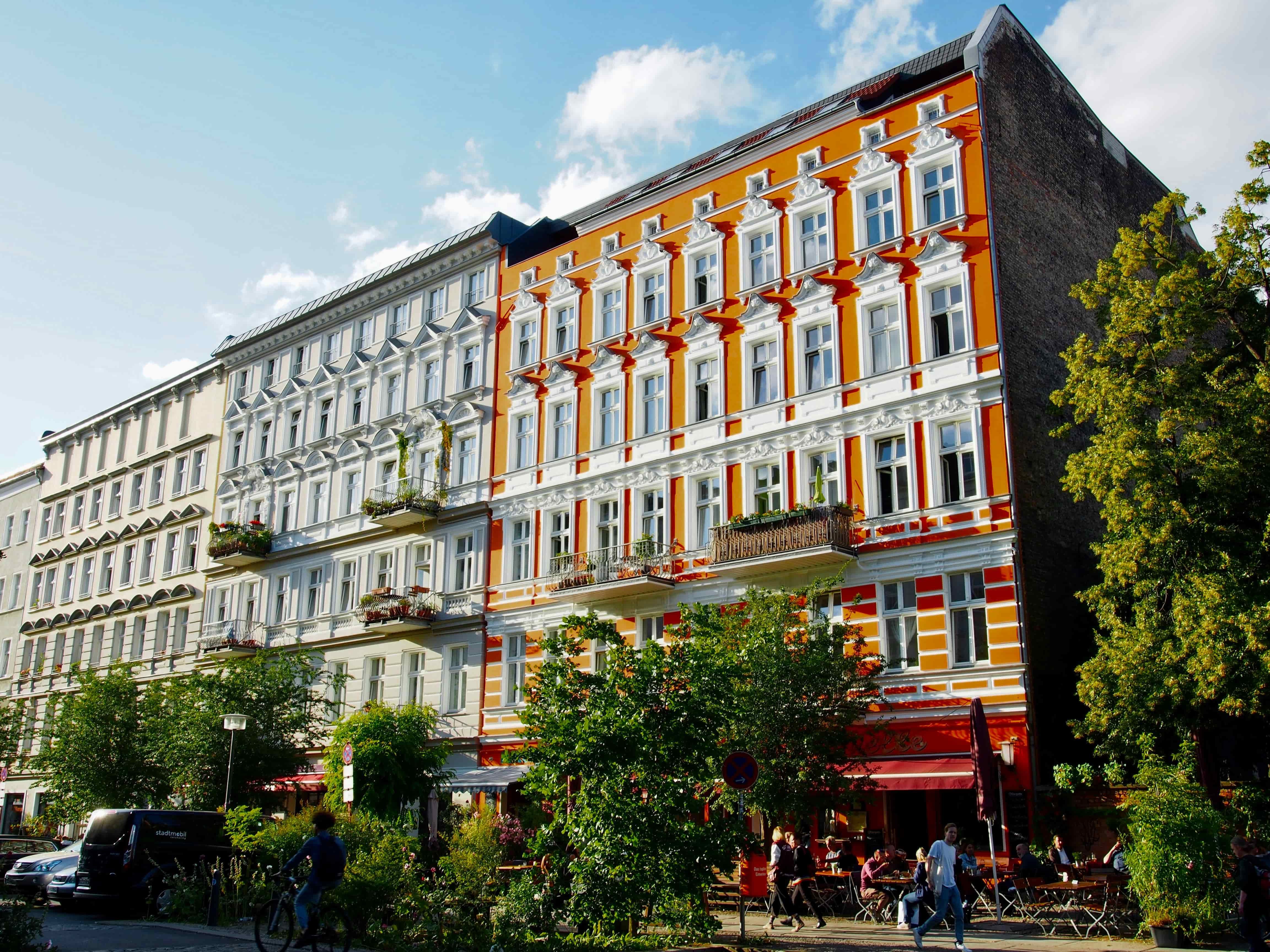
What to Check Before Buying an Apartment in Berlin
Berlin remains one of Europe’s most attractive residential property markets, but buying an apartment requires more than finding the right location.
A well-presented apartment can still hide expensive maintenance obligations, legal restrictions, or tenant-related issues that affect both future costs and investment performance.
Before signing a purchase agreement, buyers should complete a thorough review of the property, the building, and the associated legal documents.
This checklist covers the most important areas to evaluate before purchasing an apartment in Berlin.
1. Review the Building, Not Just the Apartment
Many buyers focus entirely on the apartment itself.
In Berlin, the condition of the entire building can be equally important.
Pay particular attention to:
- roof condition
- façade condition
- stairwells and common areas
- heating systems
- elevators
- underground parking facilities
Major repairs can result in significant costs for apartment owners through special assessments approved by the homeowners’ association. Reviewing building records and maintenance plans can help identify future liabilities.
2. Check the Energy Efficiency Rating
Energy efficiency has become an increasingly important factor in German real estate.
Before purchasing, review the property’s Energy Performance Certificate (Energieausweis).
This document provides information about:
- energy consumption
- heating systems
- building efficiency
- modernization needs
Properties with poor energy performance may require future investment to improve efficiency and comply with evolving standards.
3. Read the Homeowners’ Association Documents
One of the most overlooked parts of due diligence involves the homeowners’ association (WEG).
Request and review:
- recent owners’ meeting minutes
- maintenance reserve information
- planned renovation projects
- special assessment decisions
Meeting records often reveal upcoming expenses that may not be obvious during a property viewing. Experts frequently recommend reviewing at least several years of meeting minutes before purchasing.
4. Understand Whether the Apartment Is Tenant-Occupied
A tenant-occupied apartment operates very differently from a vacant property.
Under German law, purchasing a rented apartment does not automatically end the tenancy agreement. Existing tenant rights continue after ownership transfers.
Before buying, verify:
- current rental agreement
- rent level
- tenant history
- occupancy status
- notice restrictions
This is particularly important for buyers planning to occupy the apartment themselves.
5. Verify Ownership and Land Registry Information
Property ownership in Germany is recorded in the Grundbuch (land register).
Your legal advisor or notary should verify:
- ownership status
- easements
- rights of use
- mortgages or encumbrances
- registration details
The land registry is one of the most important legal documents involved in a German property transaction.
6. Budget for the Real Cost of Purchase
The purchase price is only part of the total acquisition cost.
Berlin buyers should also budget for:
- property transfer tax
- notary fees
- land registry fees
- financing expenses
- legal advisory costs
Transaction costs can add a meaningful percentage to the overall investment and should be included in any financial analysis.
7. Evaluate the Location at a Street Level
District selection matters, but micro-location matters even more.
Two apartments within the same neighborhood can perform very differently depending on:
- transport access
- nearby amenities
- school quality
- noise levels
- future development plans
When comparing locations, buyers often start with:
- Charlottenburg properties
- Prenzlauer Berg apartments
- Friedrichshain-Kreuzberg opportunities
- Neukölln investment properties
Each district serves a different buyer profile and investment strategy.
8. Understand the Notary Process
German property transactions require notarization.
The notary:
- prepares the purchase agreement
- explains contractual obligations
- oversees execution of the transaction
- facilitates ownership registration
The transaction only becomes legally binding through the notarized purchase process.
Quick Apartment Buyer Checklist
Before purchasing an apartment in Berlin, make sure you have reviewed:
✓ Building condition
✓ Energy certificate
✓ Homeowners’ association documents
✓ Maintenance reserves
✓ Planned renovations
✓ Tenant agreements
✓ Land registry records
✓ Total acquisition costs
✓ Financing structure
✓ Neighborhood fundamentals
Final Thoughts
Successful property purchases in Berlin are rarely based on price alone.
The strongest acquisitions typically combine:
- good location fundamentals,
- solid building condition,
- transparent legal documentation,
- and realistic ownership costs.
Taking time to complete thorough due diligence before signing a purchase agreement can help buyers avoid costly surprises after closing.