
Dubai 2026: Die Versorgungswelle ist keine Katastrophe, sondern ein Filter
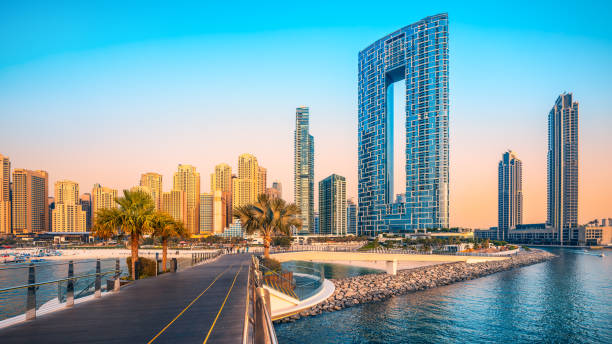
Dubai 2026: Die Versorgungswelle ist keine Katastrophe, sondern ein Filter
Dubais Geschichte im Jahr 2026 ist von einem Wort geprägt: Übergaben. Die Kommentare der Rating-Agenturen und die Marktberichterstattung deuten auf einen starken Anstieg der geplanten Übergaben in den Jahren 2025-2026 hin, was bei steigendem Angebot zu Preisdruck führen kann.
Das ist ein Missverständnis, das viele haben. Ein größeres Angebot bedeutet nicht, dass die Preise sinken. Es bedeutet, dass der Markt ehrlicher wird.
Was Angebotswellen wirklich bewirken
Sie entlarven schwache Produkte:
Schlechte Grundrisse, die nur in Renderings gut aussahen
Gebäude mit hohen Nebenkosten, die die Nettorendite zunichte machen
Standorte, die von zukünftigen Versprechungen abhängen, statt vom gegenwärtigen Leben
Einheiten, die schwer zu möblieren und schwer zu vermieten sind
Und sie belohnen starke Produkte:
Einfache, liquide Grundrisse
Gebäude mit effizienten Kostenstrukturen
Gemeinschaften, die bereits bewohnt und funktional sind
Einheiten mit praktischen Vorteilen (Licht, Ruhe, Zugang, Parkplatzangebot)
Wie kluge Käufer in Dubai jetzt denken
Sie fragen nicht: "Werden die Preise fallen?"
Sie fragen: "Wird meine Wohnung immer noch gewählt werden, wenn die Mieter Optionen haben?"
Diese Verschiebung ist alles.
Der Umzug nach Dubai im Jahr 2026
Kaufen, was Vergleiche gewinnt. Denn Dubai ist ein Vergleichsmarkt. Mieter vergleichen Türme. Investoren vergleichen die Nettorendite. Endverbraucher vergleichen den täglichen Komfort. Die Gewinner sind die Einheiten, die sich am einfachsten anfühlen.
Die Angebotswelle ist also kein Paniksignal. Es ist ein Sortiermechanismus. Wenn Sie die Art von Wohnung kaufen, für die sich die Menschen zuerst entscheiden, wird der Wettbewerb zu Ihrem Beweis und nicht zu Ihrer Bedrohung.